AI is found everywhere
AI gets talked about a lot, but for most business owners, it’s still not clear what it actually does, especially when it comes to POS systems.
The truth is, it’s already there. And it’s doing a lot more than it was even a few months ago.
It’s not just working quietly in the background anymore.
It’s answering questions, flagging problems, picking up the phone, and bringing you ideas before you think to ask.
And you’re still the one in charge.
You can just ask your POS a question
Your POS already tracks everything. Sales, items, timing, staff activity.
Now, instead of digging through reports, you can simply ask:
“What were my best sellers last weekend?”
“How did labor line up with sales this week?”
“Which items are slowing down?”
You get a clear answer in plain English, often with a chart you can keep right on your dashboard. Some systems even factor in local weather, events, and reviews.
No digging. No spreadsheets. Just answers.
It doesn’t wait to be asked anymore
This is the biggest change.
AI used to wait for you to go looking. Now it keeps an eye on your business and brings things to you, like:
An item that’s about to run out
A slow week, and whether it came from fewer guests, smaller checks, or the weather
A schedule that doesn’t line up with the sales you’re expecting
Regulars who haven’t been back in a while
Each one comes with a suggested next step, like restocking, adjusting a shift, or sending a “we miss you” offer.
Nothing changes until you approve it.
It brings you the problem and a plan. You make the call.
It helps you plan ahead, not just react
AI isn’t just looking back at what already happened. It’s helping you get ready for what’s coming.
Things like:
Busy and slow stretches, before they hit
Staff schedules drafted around projected sales
Ingredient prices compared across your suppliers
It can also go through your profit and loss numbers and flag cost spikes, errors, and discounts worth a second look, so small issues don’t turn into bigger ones.
It catches the calls you’re missing
During a rush, the phone is usually the first thing to slip, and a missed call is often a missed order. By some industry estimates, more than 40% of restaurant calls go unanswered during peak hours.
AI phone ordering changes that. It can:
Answer every call, 24/7, even mid-rush
Take orders and payments and send them straight to your POS and kitchen
Stay synced with your menu, including prices and anything that’s 86’d
Handle reservations and everyday questions like hours and directions
Suggest add-ons consistently, even on your busiest night
Your staff stays focused on the guests in front of them. Your phone keeps bringing in orders.
It helps you capture the sales that slip through the cracks
A lot of lost revenue doesn’t come from big problems.
It comes from small things that happen over and over, like an add-on that never got suggested.
AI is helping close that gap with:
Self-order kiosks that take orders by voice or touch, answer menu and allergen questions, and suggest add-ons
Suggestions based on time of day, what’s popular, and what pairs well with what’s already in the order
Online menus that put each guest’s most likely picks right at the top
It never gets too busy to suggest the drink or the side.
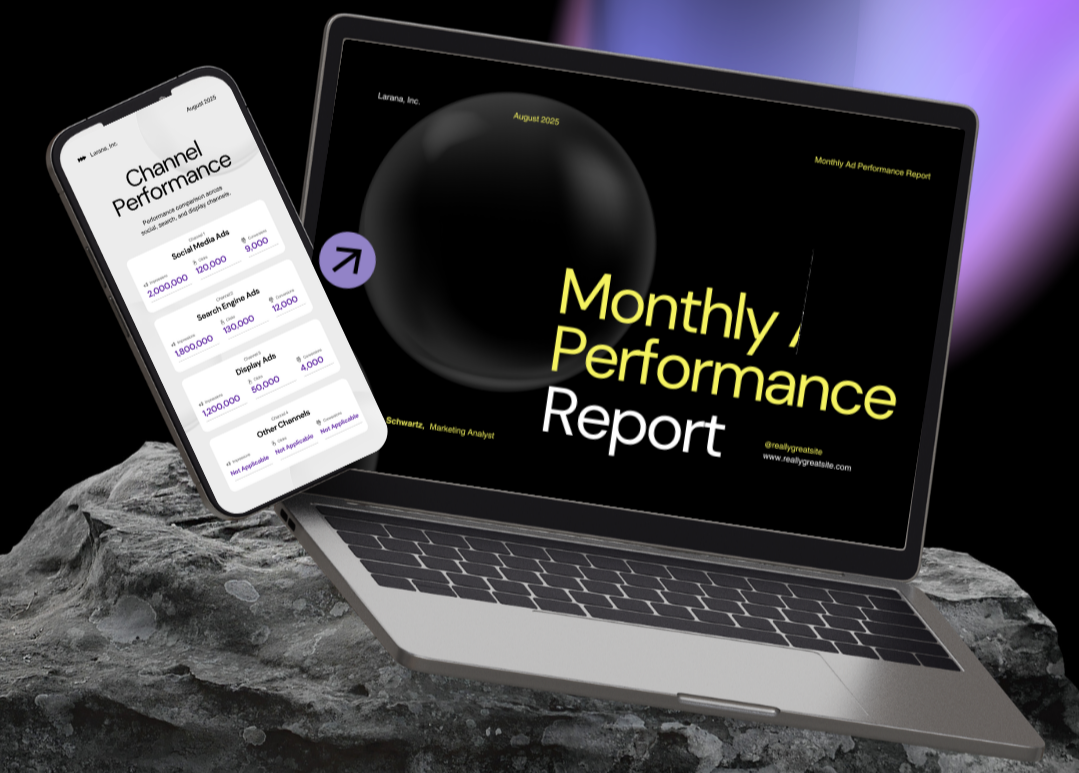
Clearer insights. Better decisions.
It turns hours of busywork into minutes
Updating menus, running promotions, and keeping up with marketing can eat up your week.
Now AI can take a lot of that off your plate:
Menu changes in plain English, like “raise all burger prices by 5%”
Item descriptions and product photos, created for you
Marketing emails and win-back offers built from your own customer data
A website with online ordering, up and running in minutes
In most cases, you review everything before it goes live.
Not replacing anything. Just making it a whole lot faster.
Customers are starting to order through AI, too
This one is brand new.
People are starting to ask AI assistants where to eat. Now, depending on your system, your menu can show up right inside those AI chats, so customers can find you, browse, and order without leaving the conversation.
Those orders go straight into your POS and kitchen, just like any other order.
Being easy to find now includes being easy to find by AI.
Why it matters
Most operators already have the tools they need.
The challenge is knowing what’s actually happening day to day and having the time to act on it.
That’s where AI is making a real difference.
It helps you:
Catch small issues before they turn into bigger ones
Capture orders and add-ons that used to slip away
Make quicker decisions without second guessing
Stay focused on running your business instead of digging through reports
AI is only as useful as the system behind it.
If things aren’t set up correctly, or if the data going in isn’t accurate, the answers won’t be either.
That matters even more now. When AI is answering your phone or suggesting add-ons, your menu, modifiers, and pricing need to be right.
That’s why setup, training, and support still matter just as much as the technology itself.
The goal isn’t to add more complexity.
It’s to make your POS system easier to use, easier to understand, and more useful day to day.
What’s available depends on your system and plan, and some of these tools are still rolling out. Knowing which ones fit your business is half the battle.
The right system should help you run your business with more clarity, not more effort.
The technology matters.

330,633.1221
But how it’s set up, how it’s used, and how well it fits your business matters just as much.
That’s where having the right support behind your system makes all the difference.
It’s something we focus on every day.