How AI Is Used in POS Systems (And What It Actually Does)
AI is found everywhere
AI gets talked about a lot, but for most business owners, it’s still not clear what it does, especially when it comes to POS systems.
The truth is, it’s already there.
Not in a flashy way. Not in a complicated way.
Just working in the background to make everyday tasks easier.
And in a lot of cases, helping catch things that would otherwise go unnoticed.
One of the biggest advantages is spotting patterns you’d normally miss
Your POS already tracks everything. Sales, items, timing, staff activity.
AI takes that information and looks for patterns like:
What’s selling more or less than usual
When your real rushes happen
How your labor lines up with your sales
It can also highlight which items drive profit versus just volume, so you can see what’s actually working on your menu.
Instead of digging through reports, you get a clearer picture faster and with less effort.
It helps you make better day-to-day decisions
Running a business comes down to constant decisions.
When to staff up. When to cut back. What to push. What to fix.
AI helps by pointing out things like:
Slower periods you might not notice
Overstaffed or understaffed shifts
Changes in customer behavior over time
It doesn’t replace your judgment. It just gives you better information to make decisions with.
It also helps you stay ahead, not just react
Beyond tracking what already happened, AI is starting to help predict what’s coming.
Things like:
Expected busy or slow periods
Sales trends based on past performance
Inventory needs tied to demand
It can also flag unusual activity, like spikes in voids, comps, or refunds, so small issues don’t turn into bigger ones.
It can also help uncover missed revenue
A lot of lost revenue doesn’t come from big problems.
It comes from small things that happen over and over:
Missed add-ons
Inconsistent charges
Items that should be selling but aren’t
AI can flag those patterns so you can adjust before they keep adding up.
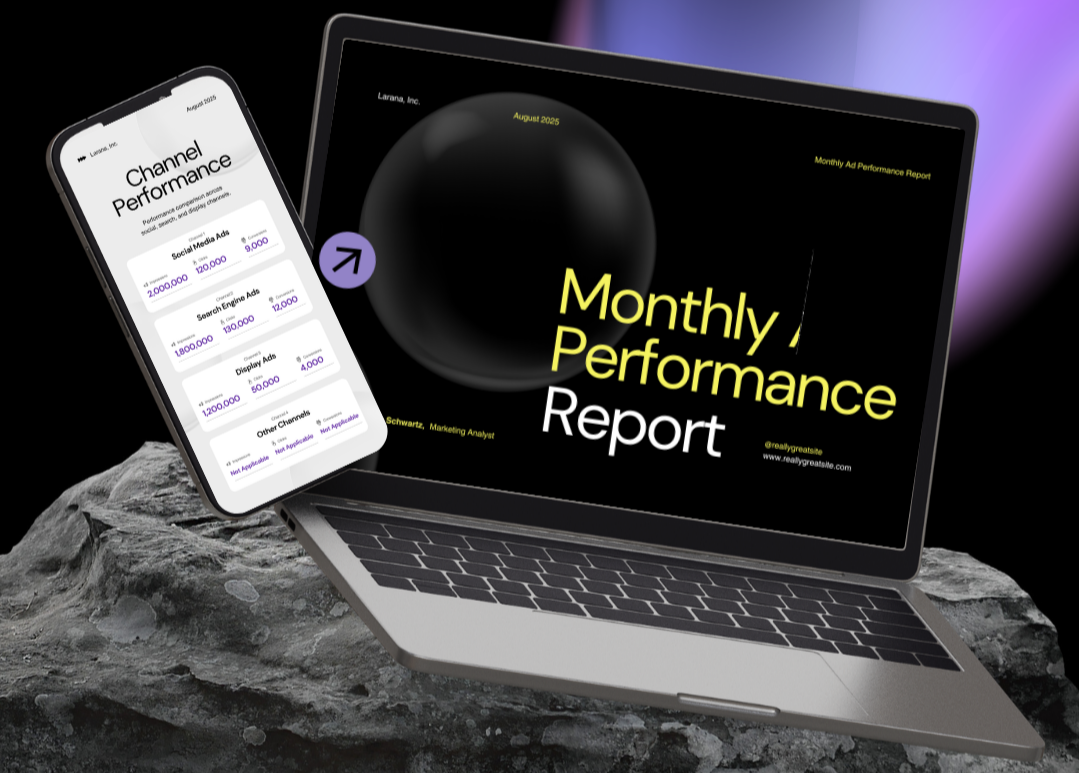
Clearer insights. Better decisions.
It makes reporting easier to actually use
Most reports are there… but not always easy to act on.
AI helps simplify that by turning numbers into:
Clear summaries
Trends over time
Easy-to-understand insights
Less time staring at reports. More time actually using them.
It helps save time on small tasks
Things like updating menus, running promotions, or basic marketing take time.
AI tools are starting to speed those up by:
Suggesting content
Automating simple updates
Reducing manual work
Not replacing anything. Just making it faster.
Why it matters
Most operators already have the tools they need.
The challenge is knowing what’s actually happening day to day and having the time to act on it.
That’s where AI starts to make a difference.
It helps you:
Catch small issues before they turn into bigger ones
Make quicker decisions without second guessing
Spot trends you wouldn’t normally have time to look for
Stay focused on running your business instead of digging through reports
AI is only as useful as the system behind it.
If things aren’t set up correctly, or if the data going in isn’t accurate, the insights won’t be either.
That’s why setup, training, and support still matter just as much as the technology itself.
The goal isn’t to add more complexity.
It’s to make your POS system easier to use, easier to understand, and more useful day to day.
The right system should help you run your business with more clarity, not more effort.
The technology matters.

330,633.1221
But how it’s set up, how it’s used, and how well it fits your business matters just as much.
That’s where having the right support behind your system makes all the difference.
It’s something we focus on every day.