5 Numbers Bar & Restaurant Owners Should Watch
And why a good POS makes them easy to track
Presented by Hospitality Control Systems
Running a bar or restaurant means managing a lot of moving parts. Some operators review reports daily, others check in throughout the week. What matters most isn’t how often data is reviewed, but how clearly the most important numbers can be found and understood.
A good POS system helps surface these metrics quickly and consistently, making it easier to stay connected to what’s happening without digging through unnecessary information. These five numbers are widely reviewed because they have a direct impact on daily operations and profitability.
1. Sales vs. the Same Day Last Week
Comparing today to yesterday rarely tells the full story. A Tuesday behaves differently than a Friday, and weekends need to be compared to other weekends.

Most POS systems allow sales to be compared by day of the week, offering a clearer view of performance. This helps answer a few important questions:
Are you trending up or down
Did a promotion, event, or staffing change make an impact
Is a slow day a one-time issue or part of a pattern
You don’t need to react to every fluctuation, but consistent changes are worth noticing.
2. Labor Percentage
Labor is one of the largest expenses in any bar or restaurant, and it can quietly creep up if it isn’t monitored closely.
In a well-set-up POS, labor percentage is calculated automatically, allowing it to be reviewed regularly rather than waiting until payroll. Watching this number helps:
Catch overstaffing early
Adjust schedules before costs add up
Protect margins when sales fluctuate
Timely visibility into labor makes it easier to make small corrections before they turn into bigger problems.
3. Average Check Size
Average check size is a strong indicator of how your menu, pricing, and staff execution are working together.
This is typically an easy metric to track through a POS system. When average check increases, it often reflects effective upselling and menu alignment. When it decreases, it may point to missed suggestions, shifts toward lower-margin items, or menu changes that aren’t landing as expected.
Even small changes here can have a noticeable impact over time.
4. Voids and Comps
Voids and comps are part of running a hospitality business. Mistakes happen, and sometimes comping an item is the right call. Issues tend to arise when this activity isn’t reviewed consistently.
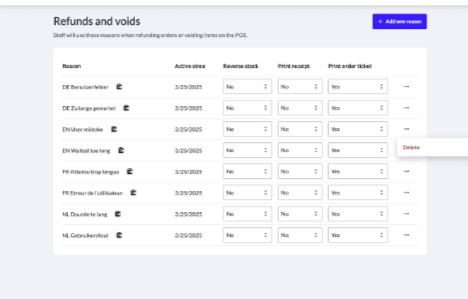
POS systems record voids and comps as they happen, making daily or weekly review straightforward. Keeping an eye on this data helps identify:
Training opportunities
Process breakdowns during busy shifts
Patterns tied to specific days or times
Catching trends early is far easier than discovering them weeks later.
5. Open Checks at the End of the Night
Open checks left at the end of the night may seem minor, but they often point to workflow or training gaps.
Most POS systems provide a clear view of open checks during closeout, making them easier to address before the next shift begins. Reviewing this regularly supports accurate reporting, clean handoffs between shifts, and a smoother start the following day.
Even a small number of lingering checks can add up if left unaddressed.

Why These Numbers Matter
These numbers aren’t complicated, but access to them can vary depending on the tools being used. A good POS system is built to make this information easy to find and easy to understand, without requiring extra steps or multiple reports.
If tracking these numbers feels harder than it needs to be, it may be a sign that your current system isn’t fully supporting how your business operates today. For many owners, updating a POS isn’t about adding new features. It’s about improving visibility, saving time, and reducing daily friction.
When the right information is easy to access, decisions feel clearer and day-to-day operations feel more manageable.
If you’ve been thinking about whether your current POS still fits your needs, starting with these five numbers is a practical place to begin.

At Hospitality Control Systems, we have supported restaurants and bars since 1988 with reliable technology and 24/7 service. If you are exploring POS options, we are happy to walk you through how it works and help determine if it is the right fit for your operation.